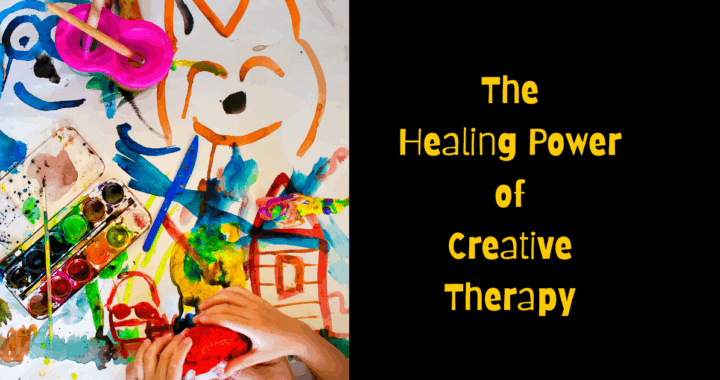
Have you ever noticed how a few brushstrokes, a song, or a dance can change how you feel? Creativity is far more than a pastime or a hobby – it’s a language of the soul. Long before anyone spoke of “therapy”, human beings painted, sang, danced, and told stories to make sense of life, to celebrate, and to heal. So the healing power of creative therapy has been known for eons – we just didn’t call it that!
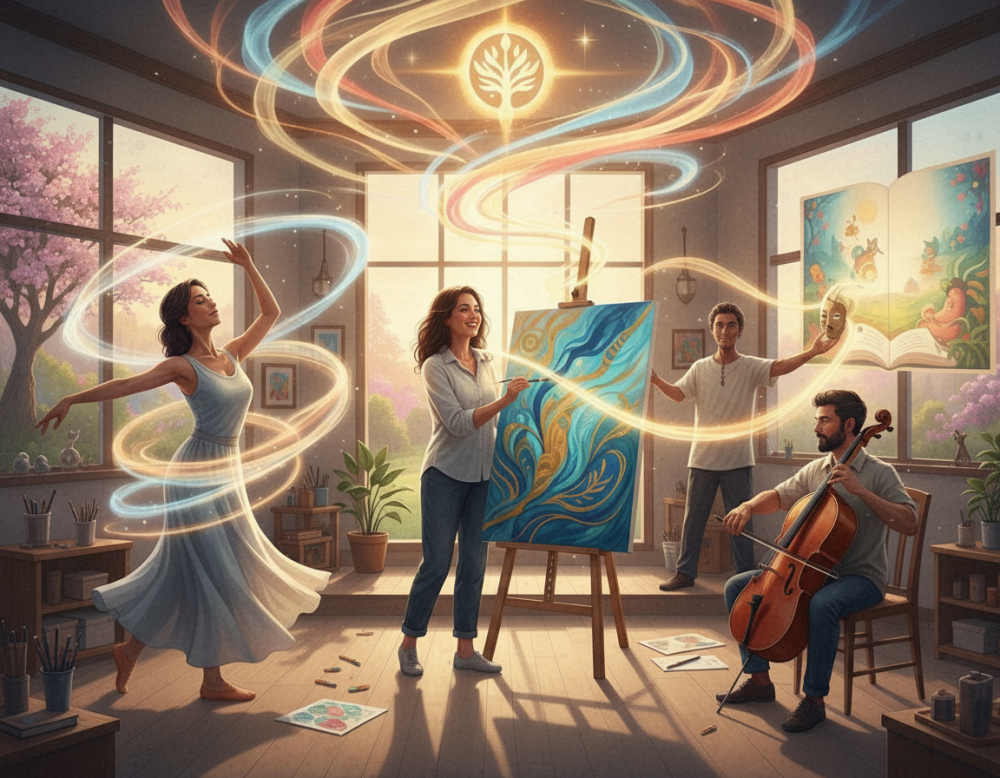
Today, creative therapy brings that ancient wisdom into the modern world, combining artistic expression with psychological insight. Whether it’s art, drama, dance or music therapy, each path offers a unique way to express what words and everyday life struggle to express – unlocking our emotions, releasing tension, and reconnecting us with our most authentic selves. Because at our heart, we are creative beings in every sense of the word.
This article contains some affiliate links, which means that if you decide to buy, I may receive a small commission at no extra cost to you. As an Amazon Associate, I earn from qualifying purchases. This helps me keep The Creative Choice growing and free for readers. I appreciate your support. For more information, see our Affiliate Disclosure.
What Is Creative Therapy?
Creative therapy, often called expressive therapy, is an umbrella term for therapeutic practices that use creative expression as a route to self-understanding and emotional well-being. These approaches are recognised across healthcare, education, and community settings for their ability to support healing, communication, and growth. I have seen the power of these creative endeavours firsthand whilst working in the performing arts. I’ve seen people come out of their shells, find their confidence and overcome traumas… and without a psychiatrist or psychologist in sight.
However, there are now trained creative therapists who can help people as part of a therapeutic program. Some of the most established forms include:
- Art therapy – using visual art to explore feelings and experiences
- Drama therapy – using roleplay, improvisation, and storytelling to process emotions
- Dance/movement therapy – exploring movement and physical expression to connect body and mind
- Music therapy – using rhythm, sound, and melody to support emotional and cognitive health
Each one can help people explore complex emotions, reduce anxiety, and build resilience. In the UK, these are recognised by professional associations such as:
- BAAT – The British Association of Art Therapists
- BADth – The British Association of Dramatherapists
- ADMP UK – The Association for Dance Movement Psychotherapy UK
- BAMT – The British Association for Music Therapy
There are other associations in countries worldwide too.
,
The Science Behind Creative Healing
What many people instinctively feel – that creativity is healing – is now supported by solid evidence.
- Art therapy has been shown to reduce levels of cortisol (the stress hormone) and improve self-esteem in adults and children coping with trauma or chronic illness (Malchiodi, 2020; NHS England, 2023).
- Music therapy is widely used within the NHS to help those living with dementia, depression, and anxiety, supporting memory, mood regulation and social connection (BAMT, 2024).
- Dance/movement therapy improves emotional regulation and physical well-being by increasing serotonin and dopamine (Koch et al., Frontiers in Psychology, 2019).
- Drama therapy supports individuals experiencing PTSD, grief, and identity loss by using story and roleplay to rebuild confidence and emotional integration (Jones, 2007; BADth, 2024).
From a spiritual viewpoint, creative therapy restores energetic flow. When we engage creatively, we’re not just expressing thoughts; we’re moving energy through body, heart, and mind. This alignment often brings a quiet sense of peace and reconnection with the deeper self.
Art Therapy – Painting the Inner World
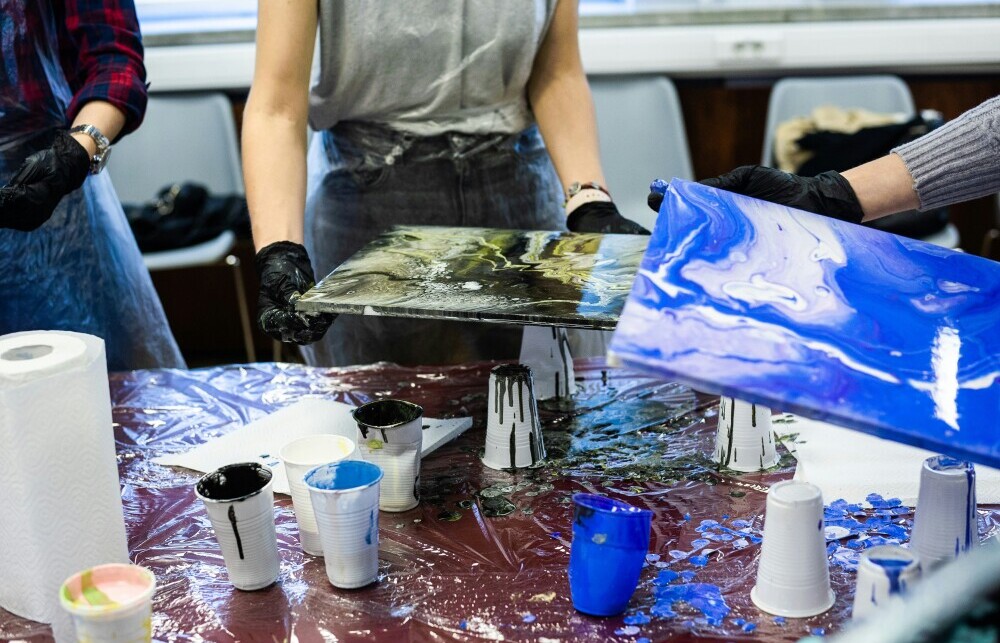
Sometimes emotions are too tangled for words. Art therapy provides a safe space to translate those feelings into shape, line and colour.
Clients might be asked to paint their current mood, sculpt a memory, or use collage to explore feelings about their identity. In most creative therapies, it is the process – not the product – that matters most. You don’t need to be an artist; you only need to be willing to experiment. That goes for all other creative therapies too.
The colours and symbols that appear often carry messages from our subconscious mind. Over time, people begin to recognise patterns, release repressed feelings, and see their experiences from a fresh perspective.
Art therapy is used in settings ranging from hospitals and hospices to schools and community projects. It can help children with behavioural difficulties, adults processing trauma, and anyone looking to reconnect with creativity and calm.
Further reading, available from Amazon
Heal Your Soul. The Art Therapy Journal – Kateryna Piatakova
Drama Therapy – Stepping into Healing Roles
Drama therapy (aka dramatherapy) uses the natural power of play and performance to help people explore different aspects of themselves. Through storytelling, improvisation, or roleplay, participants can safely re-enact emotions and experiences that might feel too intense to face directly.
By “trying on” new roles, individuals can find fresh solutions, heal old wounds, and reclaim lost parts of their identity.
For example, someone struggling with confidence might play a powerful character, exploring strength and assertiveness in a creative, supported way. In schools, drama therapy encourages empathy, cooperation, and emotional literacy – vital tools for both children and adults navigating life’s stage.
Further reading, available from Amazon
Trauma and Embodied Healing in Dramatherapy, Theatre and Performance – J. F. Jacques
Drama as Therapy Volume 1: Theory, Practice and Research – Phil Jones
The Handbook of Dramatherapy – Sue Jennings, Ann Catternach, Steve Mitchell, Anna Chesna et al.
Dance and Movement Therapy – The Body Remembers
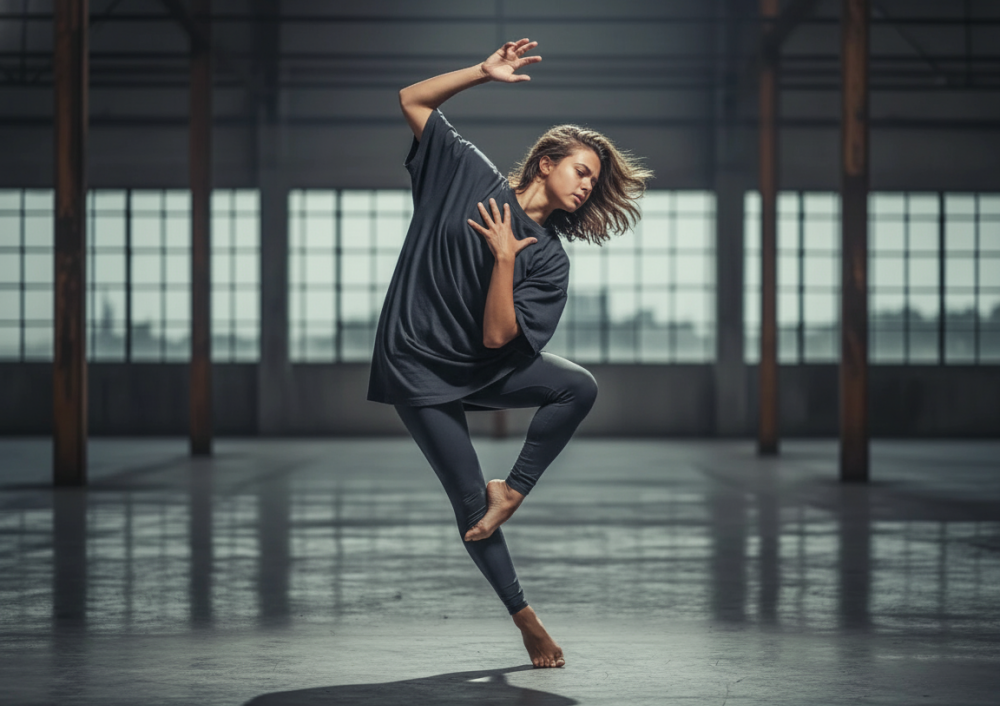
When words fail, movement speaks. Again, this is something I know personally as a trained dance/drama teacher. My own daughter finds it difficult to express emotions sometimes, but when she dances, there is no doubt about her expression. She always brings a tear to my eye with her commitment and emotional input.
Dance therapy recognises that emotion lives in the body. Gentle movements, free dance, or guided choreography help release tension and reconnect people with their own rhythm. It’s particularly powerful for those living with trauma, stress, or disconnection from the body.
Research shows that movement therapy supports mental health, reduces symptoms of depression, and improves emotional regulation. The key isn’t the elegance of the dance, but the intention – to move, to feel, and to flow.
As the saying goes, “The body keeps the score.” Movement helps it find its voice again. That’s the beauty of dance – it lets the heart speak when words fall short.
Further reading, available from Amazon
THE DANCE MOVEMENT THERAPY WORKBOOK: A Practical Guide to Healing Trauma, Anxiety, and Emotions Through Movement – Dr Mark O. Edward
Dance Movement Therapy: Theory, Research and Practice – Helen Payne
Music Therapy – Sound as Medicine
Music therapy uses rhythm, melody, and vibration to tap into emotion and memory. In the hands of trained therapists, it becomes a form of medicine that reaches beyond language.
Singing, drumming, listening, or simply responding to sound allows emotional release and creative connection. It can lift mood, calm anxiety, and awaken parts of the brain untouched by medicine or conversation alone.
The NHS now uses music therapy in hospitals and care homes for dementia patients, helping them recall memories and communicate even when speech is lost.
Spiritually, sound has long been used for healing – from ancient drumming circles to chanting, crystal bowls, and mantras. Every vibration carries intention. When we engage with sound consciously, we tune ourselves back to harmony, which I believe is part of our unique nature as creative spiritual beings. You can read more about sound healing in our article here.
Further reading, available from Amazon
Music as Medicine: How We Can Harness Its Therapeutic Power – Daniel Levitin
The Power of Music Therapy – Gillian Cunnison
More Than A Song: Exploring the Healing Art of Music Therapy – Barbara Dunn
Writing Therapy – Words that Heal
While not always listed among the core expressive therapies, writing has immense healing potential, and it is something that I recommend to anyone who wants to get to know themselves more or explore their inner world.
Journaling, poetry, and story writing allow people to reframe experiences and give voice to emotions they may have silenced.
Creative writing therapy is now widely used for stress relief, grief processing, and self-development. Putting pen to paper turns confusion into clarity. As one participant put it, “My journal listens better than I do.”
Further reading, available from Amazon
Creative Therapy in Education and Community Life
Creative therapies are increasingly being used in schools, youth groups and community projects to help young people manage anxiety, build resilience, and develop empathy.
In education, these approaches complement traditional learning by encouraging imagination, teamwork and reflection. Community programmes from art groups for older adults to drama circles for veterans also demonstrate how creativity bridges generations and encourages belonging. You don’t have to engage in therapy in a formal way either, you can join a creative community project and get the benefits of a creative pursuit like that too.
This kind of creative outreach isn’t just therapeutic; it can be transformational. It helps people remember that they matter, that their voice belongs, and that healing can happen in shared spaces.
Bringing Creative Therapy into Daily Life
You don’t need a formal therapist to begin exploring the benefits of creative expression. Try one or two of these simple practices to connect with your inner artist-healer:
- Paint or draw your emotions. Don’t aim for beauty – aim for honesty
- Write a dialogue between two parts of yourself. It’s a powerful way to understand inner conflict
- Move to music that reflects your mood – whether that means slow, grounded stretches or wild dancing in the kitchen
- Play or listen consciously. Choose sounds that lift your mood and raise your vibration
- Tell stories. Share your experiences through creative writing, conversation, or roleplay
Small acts of creativity can restore balance, clarity and joy – helping you process life as it unfolds.
Obviously, if you are struggling with deeper emotions and trauma, then it is recommended to see a professional who may well prescribe some creative therapy for you.
The Spiritual Dimension of Creative Healing
Beyond psychology and science, I believe creative therapy is a deeply spiritual pursuit.
We are creative beings, having a human experience, and we are here to create our lives in the best way that we see fit. Sometimes, however, we can get confused by the world around us, which does not match our inner being, and we can block our connection to Source Energy, creating problems, feeling trauma and pinching ourselves off from our true selves. Accessing our creativity through pursuits such as art, drama, music, writing and dance can really help to quiet the ego mind and reconnect us to our true nature.
When we create, we’re not simply expressing; we’re allowing life energy to move through us.
In these moments, something greater speaks to us and through us: intuition, spirit, or Source energy – whatever name feels right. Creativity reminds us that we are both the artist and the artwork, shaping and being shaped by the flow of creation itself.
Every dance, brushstroke, or note becomes an act of alignment – a quiet return to wholeness.
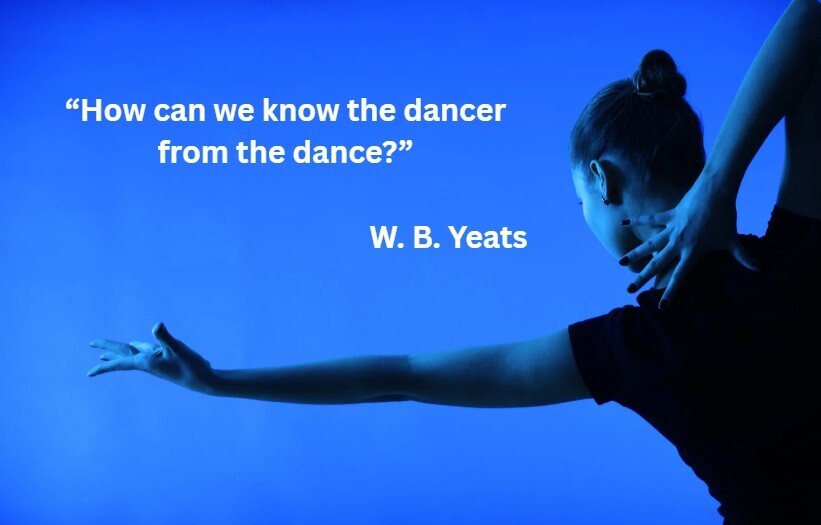
As W.B. Yeats once asked, “How can we know the dancer from the dance?”
Creative therapy is not about perfect paintings or polished performances. It’s about authenticity, release and reconnection.
In a world that often prizes productivity over presence, these gentle, creative practices remind us to slow down and listen inwardly. They help us heal not by fixing, but by feeling.
When we allow our creativity to flow freely – through art, drama, dance, music or writing – we return to our natural state: expressive, connected and whole.
The act of creation is the act of becoming – again and again.
Related posts
Collaborative creativity: How to build a supportive, creative community
How to overcome creative blocks

WRITING therapy is my thing because I’m a terrible singer, dancer, painter, and any thing else. At least I can write a half way decent paragraph or two. 🤓 Anyway, the article and YouTube video were both very inspiring and I will be back. MAC
Thanks for this Michael. I’m so pleased you love writing and have found your creative outlet. And you never know, one day, one of the others may entice you in too. All the best for now and good luck with your writing. Gail
That was such a beautiful and deeply human read, Gail. The way you tied creativity to healing made more sense for me. I’ve seen this truth in small moments, like when the children are drawing after tragedy, or when someone is just finding peace through music when words fail. Have you ever thought about how traditional African dances and songs already served as therapy long before the term existed?
Personally, writing has been my own form of creative healing. It helps me make sense of pain and turn it into purpose. I wonder, which of these therapies do you find most transformative for people who’ve been through collective trauma, not just personal pain? I still use my story of hardship both to inspire and my readers. Thanks for sharing these ideas.
As we say in Africa, no matter how long the night is, the day will surely break.
John
Hi John. So good to see you back again and thanks for your very kind comments on the article. I agree that creativity can be a truly healing practice and the beauty is that it usually come easily if we allow it to. We are all creative beings with things to express after all.
I love that you have found your own creative practice with your writing. I love writing too, and I hopefullyl use it to inspire others too. Words and ideas are much more powerful than anything else to promote change.
I love your quote too and it is surely true.
All the best, Gail
This article beautifully celebrates the timeless connection between creativity and healing. It reminds us that art, music, dance, drama, and writing are not just forms of expression—they are pathways to self-discovery and emotional renewal. I love how the post blends scientific research with spiritual wisdom, showing that creativity heals both the body and the soul. The examples of art, movement, and music therapy illustrate how deeply these practices can reach, often beyond the limits of language. The idea that “we are both the artist and the artwork” is profoundly moving—it captures how creating helps us reconnect with our true selves. This post is both inspiring and practical, encouraging everyone to embrace creativity as a daily act of healing and presence. Truly transformative and beautifully written!
Hi Andre. Thanks for your kind words on the article and I’m so pleased that you found it useful. I always like to blend science and spirituality because to me, they really are just two sides of the same coin. It doesn’t matter how you connect to the Divine – through science or spirit, it’s all the same thing in the end.
Are you engaged in any artistic or creative projects at the moment? I’d love to know what.
All the best, Gail
Creating the life we want is everyones dream, but how many of us actually know how to accomplish that.
Creative Therapy sounds like a fun method to get started using regularly. We all can find something that we would enjoy in this type of therapy.
Art therapy would be my first choice since it is super easy to get started without spending much money. You can go shopping at dollar stores for many of your projects.
Music therapy would be my second choice, how many of us don’t like art and music.
You have made it easy for us with your Amazon resources, and we all know about Amazon being a great place to find deals on anything we are shopping for.
Jeff
Hi Jeff. Great to see you again and thanks for your kind comments on this article. I’m so pleased that you liked it and found it useful. I agree that you can do creative projects without having to spend a fortune and there are many stores such as those you mention that mean you can indulge without breaking the bank. I also like to use recylced materials a lot and to upcycle things (like my shed!). You might like my article on recycled Halloween decorations as well. All the best. Gail